The Role of AI and Automation in Modern Drone Operations
By Kenneth Yamashiro | Palmetto Drone Co.
Drone technology has evolved well beyond manual piloting. Today, artificial intelligence and automation are redefining how aerial data is captured and interpreted at scale.
Automated flight paths allow repeatable, consistent data collection across multiple sites and timeframes. This consistency is critical for industries that rely on trend analysis rather than one-off imagery. By removing human variability, automated missions improve accuracy while reducing operator workload.
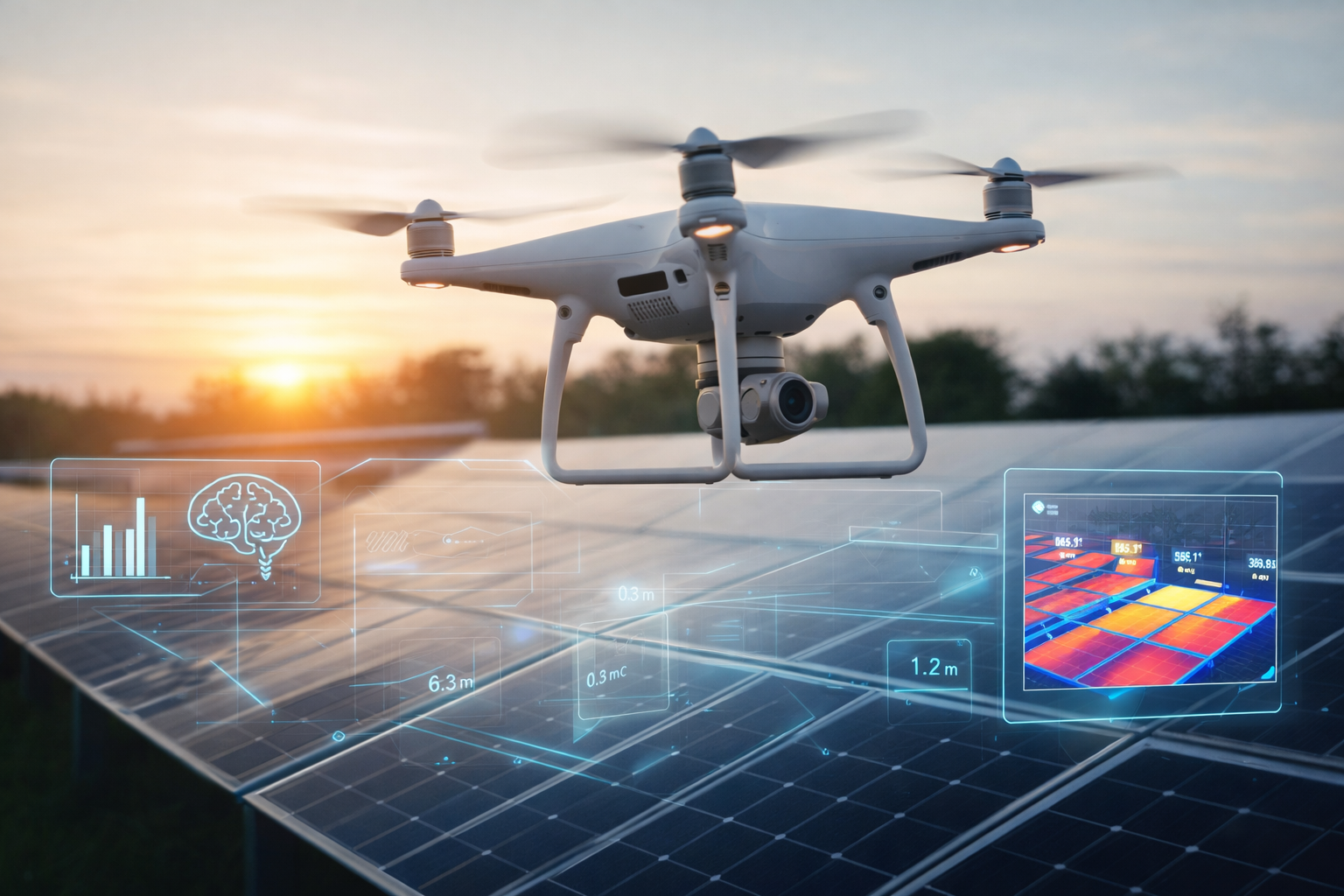
On the analytics side, AI-powered software can now identify objects, detect anomalies, and flag issues within massive datasets. In applications like asset inspection or environmental monitoring, machine learning dramatically reduces the time required to review imagery while increasing reliability.
Another major advancement is edge processing—where drones and onboard systems begin analyzing data before it even reaches the cloud. This reduces latency and allows faster response times in mission-critical environments.
Regulatory frameworks are also evolving alongside these technologies. As automation improves and detect-and-avoid systems mature, the industry is moving closer to broader adoption of beyond visual line of sight (BVLOS) operations, opening new commercial possibilities.
The convergence of AI, automation, and aerial robotics is turning drones into intelligent data platforms rather than simple imaging tools. This shift is setting the foundation for the next decade of commercial drone applications.